In-store sales are invisible
A shopper sees your ad, buys at Target or Kroger, and Meta never hears about it. Optimize to website conversions and the algorithm learns the wrong thing.
Your ads platform sees clicks. Your retail buyer sees units per store per week. We run Meta ads and performance creative built for the second number, and we prove it with redemption data, not modeled guesses.
Book a Growth AuditResults for EBOOST, Willa's Oatmilk, and Copper Moon Coffee below.
Most performance agencies were built for brands that sell on their own website. CPG brands have a harder job: the sale usually happens at a shelf the ad platform can't see, and the retailer judges you on velocity, not ROAS.
A shopper sees your ad, buys at Target or Kroger, and Meta never hears about it. Optimize to website conversions and the algorithm learns the wrong thing.
Retailers cut SKUs that don't move. A few slow doors can put distribution at risk even when the brand is growing overall.
Low price points and heavy products make shipping eat margin. A DTC channel can look fine on ROAS and still lose money on every order.
We plan every engagement around one question: which channel turns the next ad dollar into the most profit, the shelf or the site? Then we build the system to answer it.
Meta ads geo-targeted around the stores that need lift, so spend goes where the retailer is watching.
Redemption offers through partners like Aisle turn anonymous in-store purchases into trackable new customers.
Concepts built with our MMV framework (Messaging, Motivators, Visuals) and tested fast, because creative is usually the real constraint.
Landing pages, pre-sell pages and welcome flows for the products where direct sales actually make money.
Consumer packaged goods brands grow differently depending on where the sale happens, so the plan starts there.

Ads have to move product at specific stores. We geo-target the doors that need lift and tie spend to redemptions, as we did for Willa's Oatmilk at Target and EBOOST.
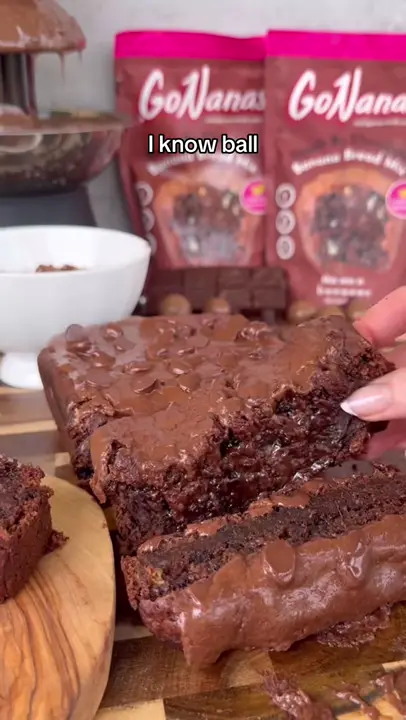
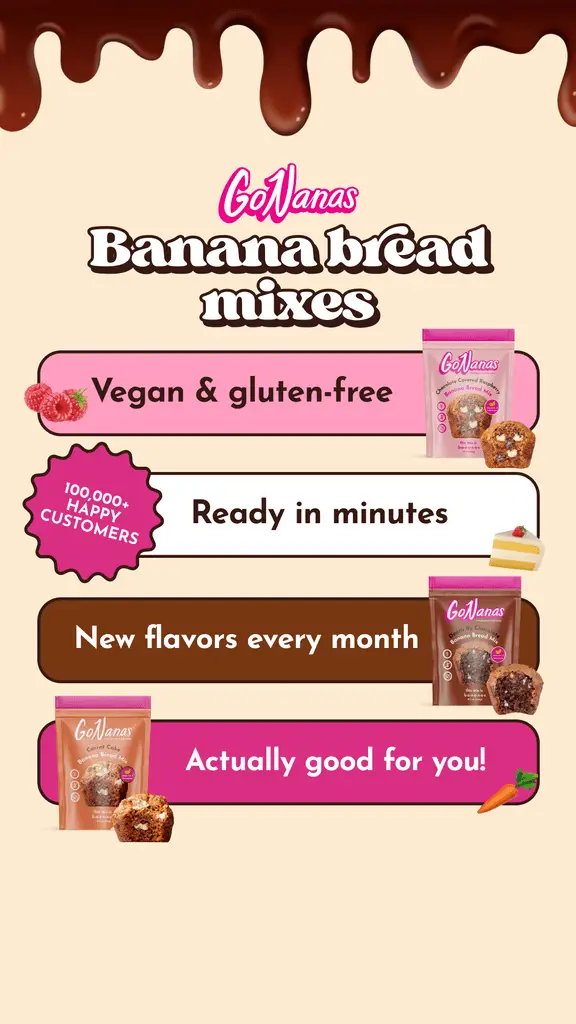
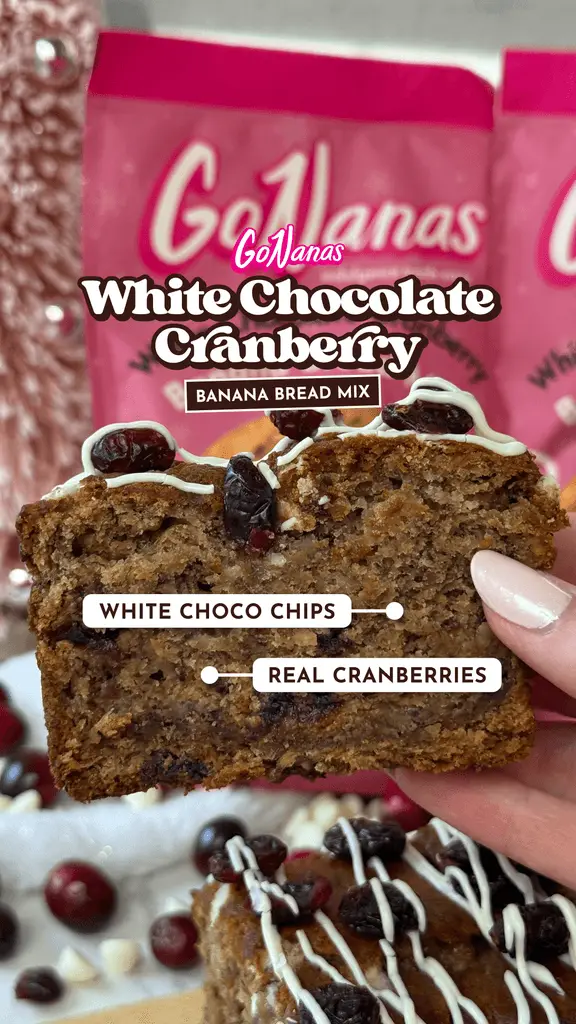
Low prices and heavy products make shipping eat margin. The work centers on first-order economics: offers, pre-sell pages and creative, as with GoNanas banana bread mixes.
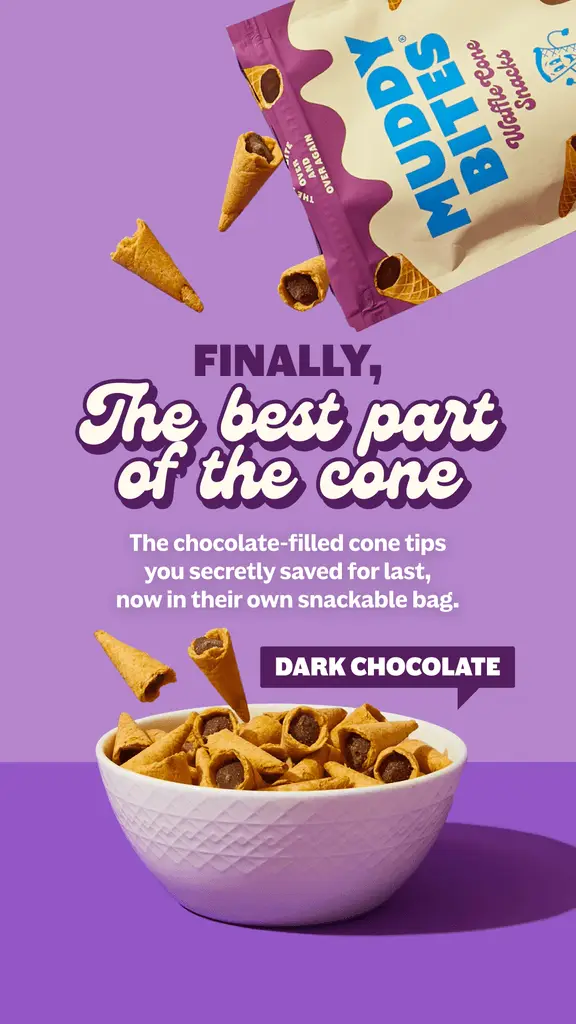
Online and retail feed each other, so one plan has to cover both. Muddy Bites used awareness campaigns to lift search and direct traffic, supporting both its online store and retail doors. Copper Moon ran landing pages and retail redemptions side by side.
A shopper sees an ad on Instagram, then buys at Target a week later. Meta never sees that sale. This is how we close the gap.
We geo-target Meta ads around the doors that need lift, so spend goes where the retailer is watching.
A coupon or receipt offer through a partner like Aisle turns an anonymous in-store sale into a counted redemption.
We read which ads and stores drive redemptions, and how many come from new customers, then move budget to match.
Redemptions only count shoppers who redeem, so they undercount total sales. We compare them with units per store per week, the number your buyer already trusts.
Four CPG brands, four different problems. Each one was solved by tying paid social to a number the business already trusted.
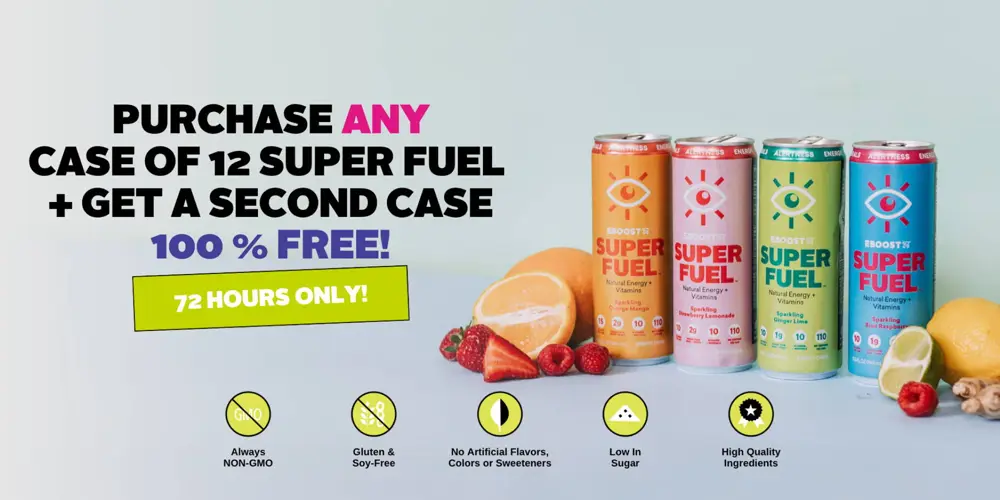
600%
Return on ad investment
Meta ads paired with an Aisle "get 3 free cans" offer turned anonymous retail purchases of SUPER FUEL into trackable in-store redemptions from new customers.
Read the EBOOST case study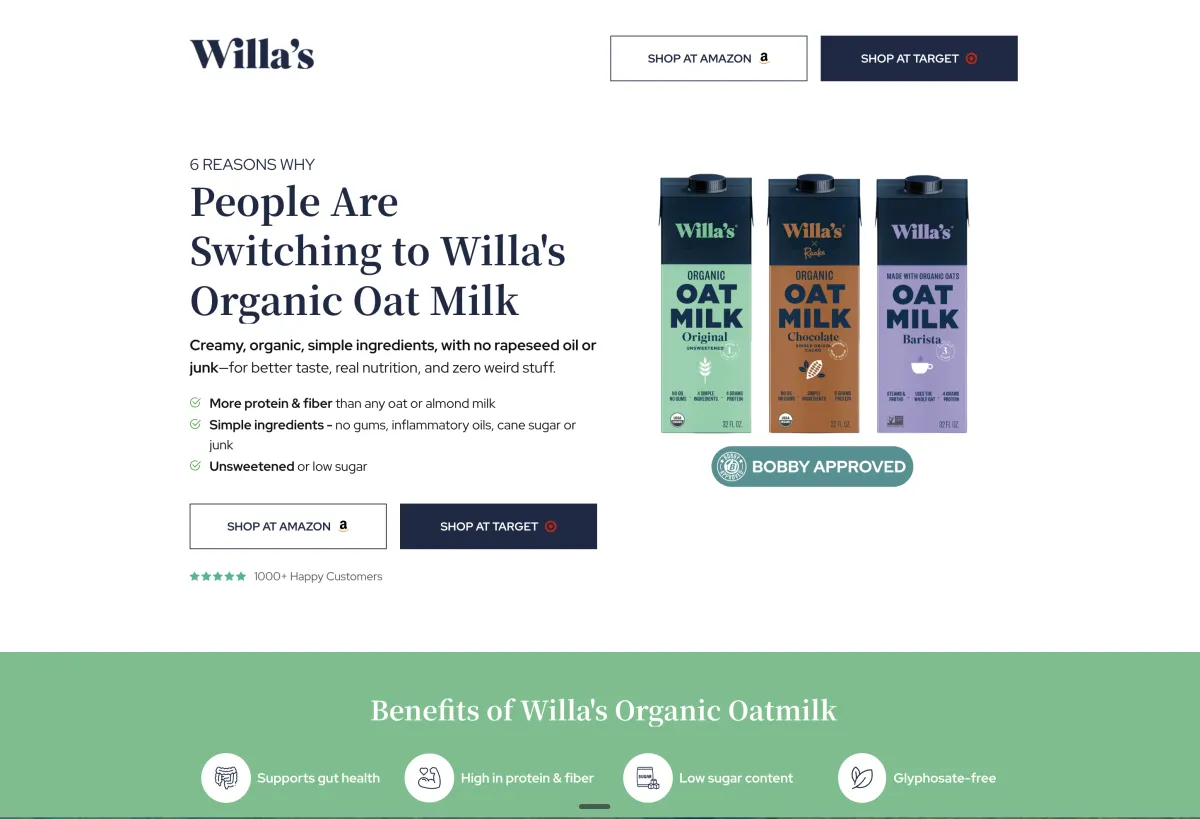
5 stores
Performing over 2x goal
Geo-targeted Meta ads around Willa's weakest Target stores, plus Aisle coupons and a pre-sell page, turned low-velocity doors into some of the brand's best.
Read the Willa's Oatmilk case study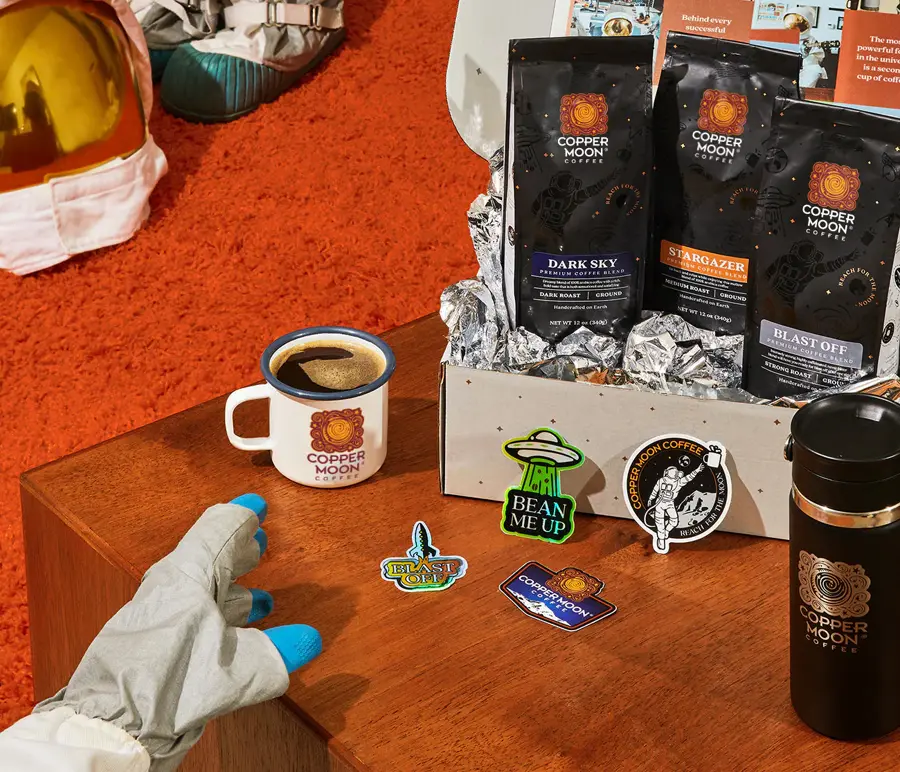
23%
Lower acquisition cost in 30 days
Consolidated Meta and Google accounts and MMV creative cut acquisition cost, then an Aisle redemption campaign returned 2.5x on first purchase.
Read the Copper Moon Coffee case study+327%
Online store sales from Meta
An underused creative library and paid media measured on the wrong numbers. New statics, recut videos and awareness-led Meta campaigns drove a 908% rise in direct traffic.
Read the Muddy Bites case study

We have also grown consumer brands including GoNanas and Komuso. See all client results.
Step 1
We look at margin, price point and distribution to decide what paid social should do: drive retail velocity, grow DTC, or both.
Step 2
Creative and offers are built for where the sale happens, whether that is a redemption at a specific store or a first order online.
Step 3
Redemptions, store-level sell-through and contribution margin, not platform-reported ROAS on its own.
Step 4
Winning concepts get budget; doors and SKUs that respond get more pressure. Everything else gets cut fast.
A CPG marketing agency helps consumer packaged goods brands grow sales through retail and direct channels. At First Spark that means paid social and search, performance creative, landing pages and email, all measured against sell-through, redemptions and contribution margin.
We pair ads with receipt-based redemption offers through partners like Aisle, so a shopper who buys in store submits proof of purchase. That turns an anonymous retail sale into a trackable, new customer tied to the campaign. For EBOOST, this is how we measured a 600% return on ad investment.
A DTC agency optimizes for orders on your website. A CPG agency has to account for sales that happen at retail, where the ad platforms can't see them, and for velocity targets set by your retail buyers. Many CPG brands need both, which is why we plan by channel economics first.
Yes. Willa's Oatmilk and EBOOST were both retail-velocity programs: the goal was product leaving specific shelves, not online orders.
Most agencies charge a monthly retainer plus your media spend, and the right scope depends on channels, creative volume and markets. We quote each engagement after an audit. For typical fee models, see our ecommerce marketing agency pricing guide.
A CPG marketing agency helps consumer packaged goods brands, such as food, beverage, snack and household brands, sell more through retail stores and online. It differs from a general agency because it plans around store velocity and retail buyers as well as website sales.
There is no fixed minimum, but we do our best work with brands spending around $30,000 a month or more on ads. For retail-focused work, a smaller budget can still be read if it is concentrated on specific stores or regions.
Our published work is mostly food and beverage: energy drinks, oat milk, coffee, baking mixes and snacks. EBOOST, Willa's Oatmilk, Copper Moon Coffee, GoNanas and Muddy Bites are examples.
Comparing partners? See our list of the best DTC performance marketing agencies and the questions to ask a marketing agency.
Schedule your free Marketing Roadmap and Diagnostic Spark audit today and discover how The First Spark Growth System can propel your business to new heights.
Whether you're a D2C, CPG, or SaaS brand looking to grow profitable pipeline, we'll create a custom roadmap focused on real business results.
Schedule your free Marketing Roadmap and Diagnostic Spark audit today and discover how The First Spark Growth System can propel your business to new heights.
Whether you're a D2C, CPG, or SaaS brand looking to grow profitable pipeline, we'll create a custom roadmap focused on real business results.
Schedule your free Marketing Roadmap and Diagnostic Spark audit today and discover how The First Spark Growth System can propel your business to new heights.
Whether you're a D2C, CPG, or SaaS brand looking to grow profitable pipeline, we'll create a custom roadmap focused on real business results.