What Does a Performance Creative Agency Do, and When Is It Worth the Retainer?
A performance creative agency is worth paying for when new ads are the thing limiting your growth. Here is what one actually ships, how to tell a good one from a production shop, and when your money is better spent elsewhere.


What a performance creative agency actually does
A performance creative agency is a team that makes paid social and video ads to hit a sales target, then tests them and keeps replacing them. It does the research, writes the concepts, produces the statics and videos, and judges every ad on what it does for new customers and acquisition cost. That is the difference from an ad creative agency or brand agency, which is judged on how the work looks.
On Meta and TikTok, the ad is now most of the targeting. Broad audiences and automated campaigns mean the platform decides who sees your ad largely from the ad itself: what it says, who is in it, what problem it opens with. A brand that runs five ads is reaching the five audiences those ads attract. A brand that keeps shipping new concepts keeps finding new pockets of buyers.
That is the job a performance creative agency is hired for. It is not "make us some ads." It is a loop that runs every week or two:
- Research. Mine reviews, support tickets, sales calls and competitor ads for the exact words buyers use and the reasons they hesitate.
- Concept. Turn each reason to buy into a concept. At First Spark we map every concept with our MMV framework: the motivator it speaks to, the messaging that carries it and the visual format that delivers it.
- Produce. Make the ads in the formats that concept needs: static, creator video, founder or spokesperson, product demo, motion.
- Test. Launch new concepts in their own ad sets so each gets a fair read, rather than letting the algorithm bury them behind an old winner.
- Read and iterate. Kill what loses quickly, make new versions of what wins (new hooks, new creators, new formats) and move proven winners into the scaling campaign.
What it ships: one reason to buy, many formats
Here is what a month of output looks like in practice. Each format below does a different job, and a healthy account runs all of them. These are real ads from First Spark client accounts.


Statics: the fastest way to test a message
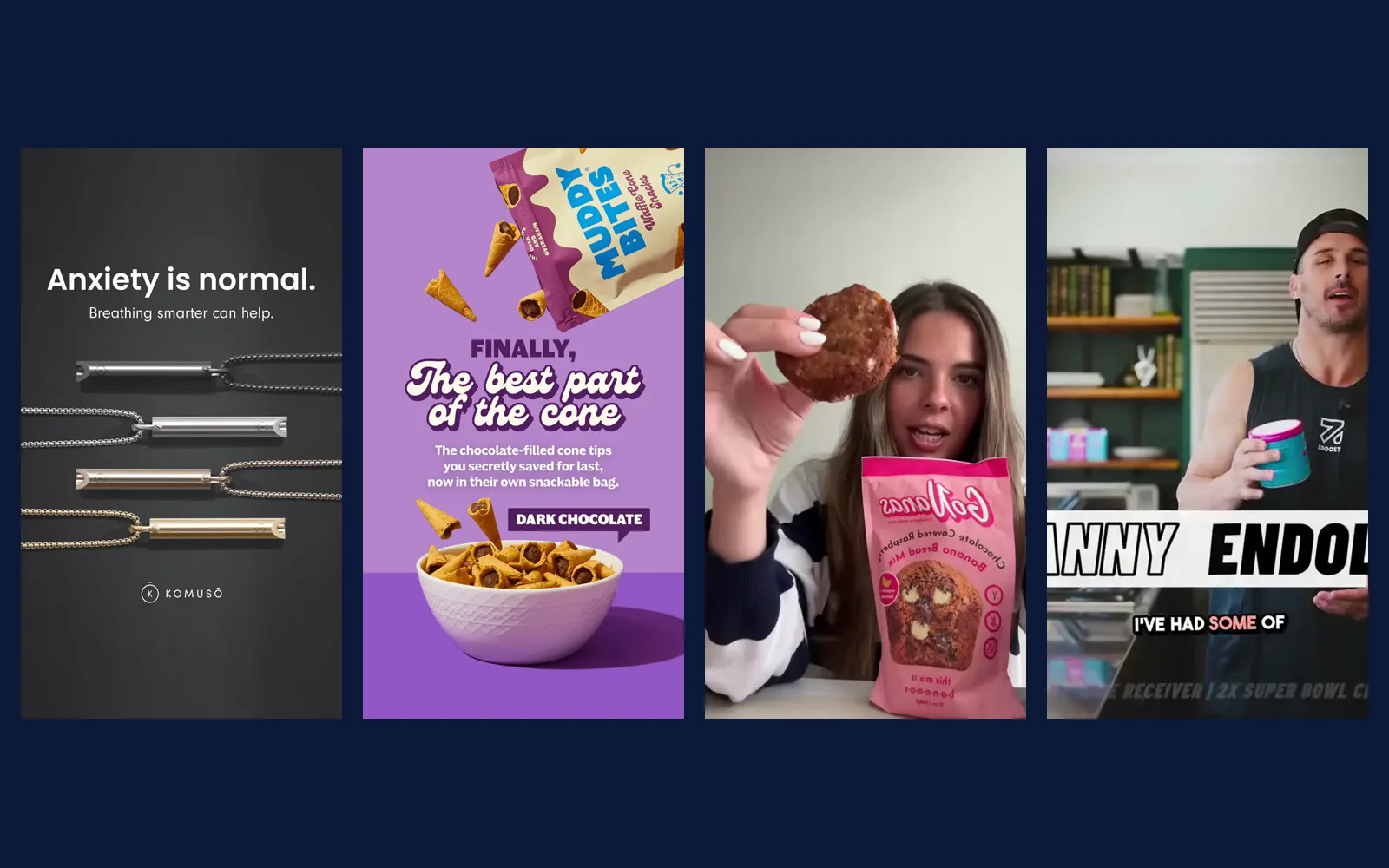
A static is cheap to make and quick to read, so it is where most new messages get tested first. The GoNanas ad stacks four reasons to buy in one frame for shoppers who are close to deciding. The Muddy Bites ad sells a single idea anyone who has eaten an ice cream cone already understands: the best part, now a whole bag. If a message wins as a static, it earns a video budget.
Creator videos: proof from someone like the buyer
UGC works when it shows the moment the product earns its place: the first bite, or the stressed moment before the first slow breath. The skill is not finding creators. It is writing briefs that put the winning motivator in the first three seconds, then shooting enough hooks to test which opening stops the scroll.
Founder, spokesperson and talent: trust for a considered purchase
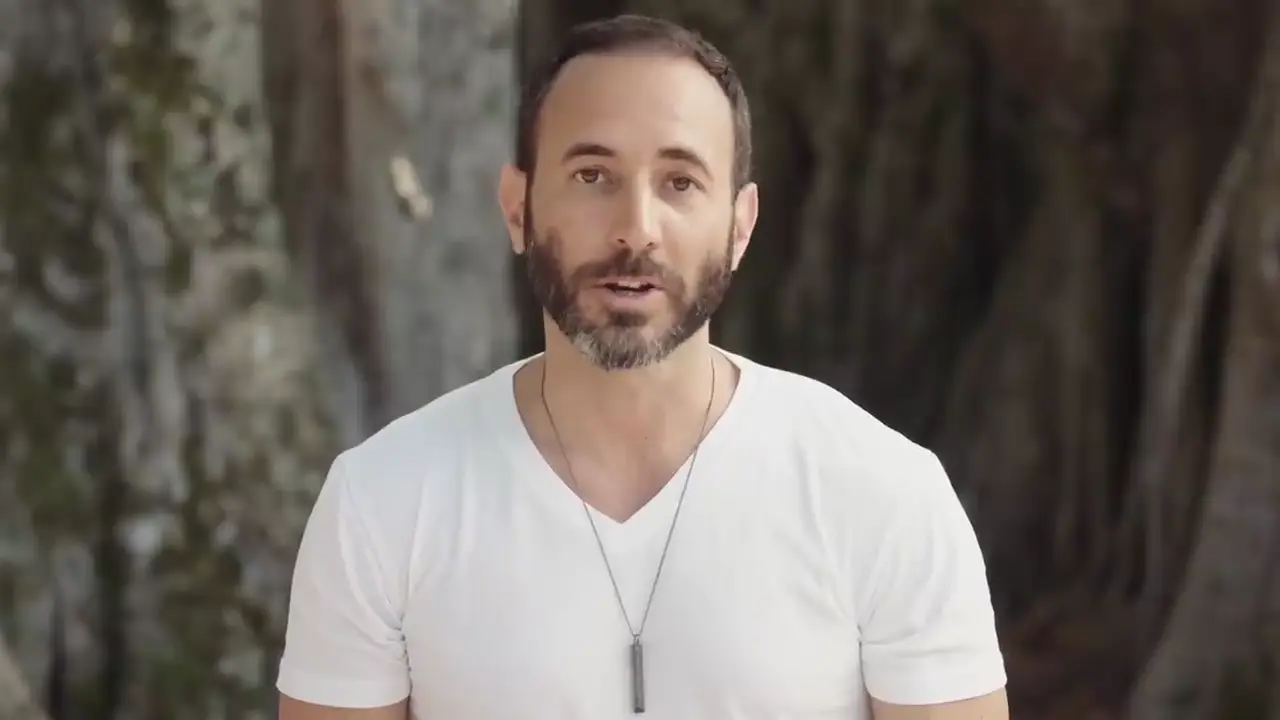
When the product needs explaining, or the buyer needs to trust who is behind it, a face to camera beats a polished montage. A recognized athlete gives EBOOST instant credibility with people who care about performance. A calm spokesperson lets Komuso explain why breathing slower changes how you feel.
Motion: answer the objection before it is raised
Short motion ads carry the risk reducers (guarantees, reviews, ingredients) and the news (a new flavor drop) that keep an account fresh between bigger shoots. They are quick to make, so they are also how a winning message gets turned into a dozen variations in a week.
Performance creative agency vs. the alternatives
Most brands are choosing between four ways of getting ads made and tested. The labels blur, so compare what each one actually owns.
| Option | What it owns | Where it breaks | Best fit |
|---|---|---|---|
| Brand or creative agency | Campaign ideas, brand look and feel, big productions | Low volume and slow cycles. Work is judged on taste, not on acquisition cost. | Launches, rebrands, TV and out-of-home |
| Production studio or creator platform | Making the files you brief | No one owns what to test next or why an ad lost. Your team has to do the strategy. | Brands with a strong in-house strategist and media buyer |
| Media buying agency | Campaign setup, budgets, bids, reporting | Can only rearrange the ads it is given. Creative becomes someone else's problem. | Accounts with a steady supply of strong creative already |
| Performance creative agency with media | Research, concepts, production, testing and scaling in one loop | Costs more than any single piece. Needs fast approvals and product access from you. | Brands where new creative is the limit on growth |
| In-house creative team | Everything, with deep product knowledge | Hard to hire for every format. Volume is capped by headcount. | Larger brands, often paired with an agency for testing volume |
Weighing a single specialist against a team? Our guide to Meta ads agency vs. freelancer covers that decision in detail.
When it is worth the retainer, and when it is not
The honest test is whether creative is the constraint. If it is, a good performance creative partner pays for itself. If it is not, you are paying to make a different problem look busier.
Worth it when
- Your best ads stop working within weeks and nothing new is ready to replace them.
- You have budget to spend but raising it pushes acquisition cost up, because the same few ads are shown to the same people.
- Your offer and margin already work. You know what a customer is worth and what you can pay to get one.
- Your team is making ads in the gaps between other jobs, and tests go weeks without a clear read.
- You sell in more than one place (DTC, Amazon, retail) and need ads that move all of them.
Not worth it when
- The offer does not hold margin. Better ads will only sell an unprofitable order faster.
- Tracking is broken, so no one can tell which ads drive sales.
- Spend is too low to read more than a couple of tests a month. Start with fewer, bigger swings.
- You need files made from briefs your team already writes. A production studio will be cheaper.
- Approvals take weeks. The loop only works if you can review and ship fast.
Not sure how many new ads your goal needs? The free Creative Velocity Calculator estimates it from your spend and targets, and the Meta learning phase budget calculator shows whether your budget can read the tests you plan.
What it looks like when creative and media run as one system
These results came from the same team writing the concepts, making the ads and running the budget. The full stories are on our client results page.
"First Spark is like a creative director meets CFO. They took over our creative production and media buying strategy and 10x'd our business in 2 years."

23% lower acquisition cost in 30 days
Copper Moon Coffee's ads were not mapped to different buyers or stages of awareness. We consolidated the Meta and Google accounts and rebuilt the creative with the MMV framework, then a retail redemption campaign returned 2.5x on first purchase.
Read the Copper Moon case study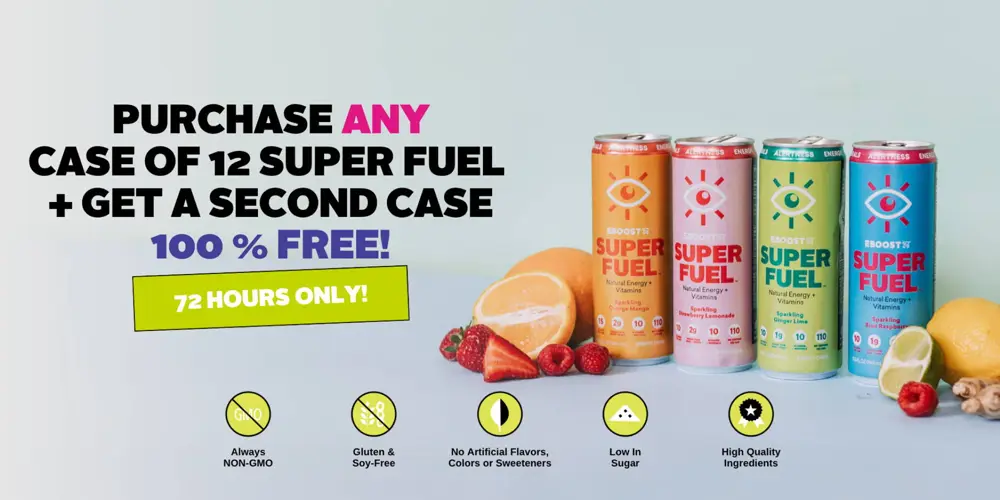
600% return on ad investment
EBOOST needed Meta ads to move SUPER FUEL off retail shelves, not just win clicks. A high-velocity batch of ads built around one motivator, free product, drove new customers into stores, with every receipt tracked as a redemption.
Read the EBOOST case study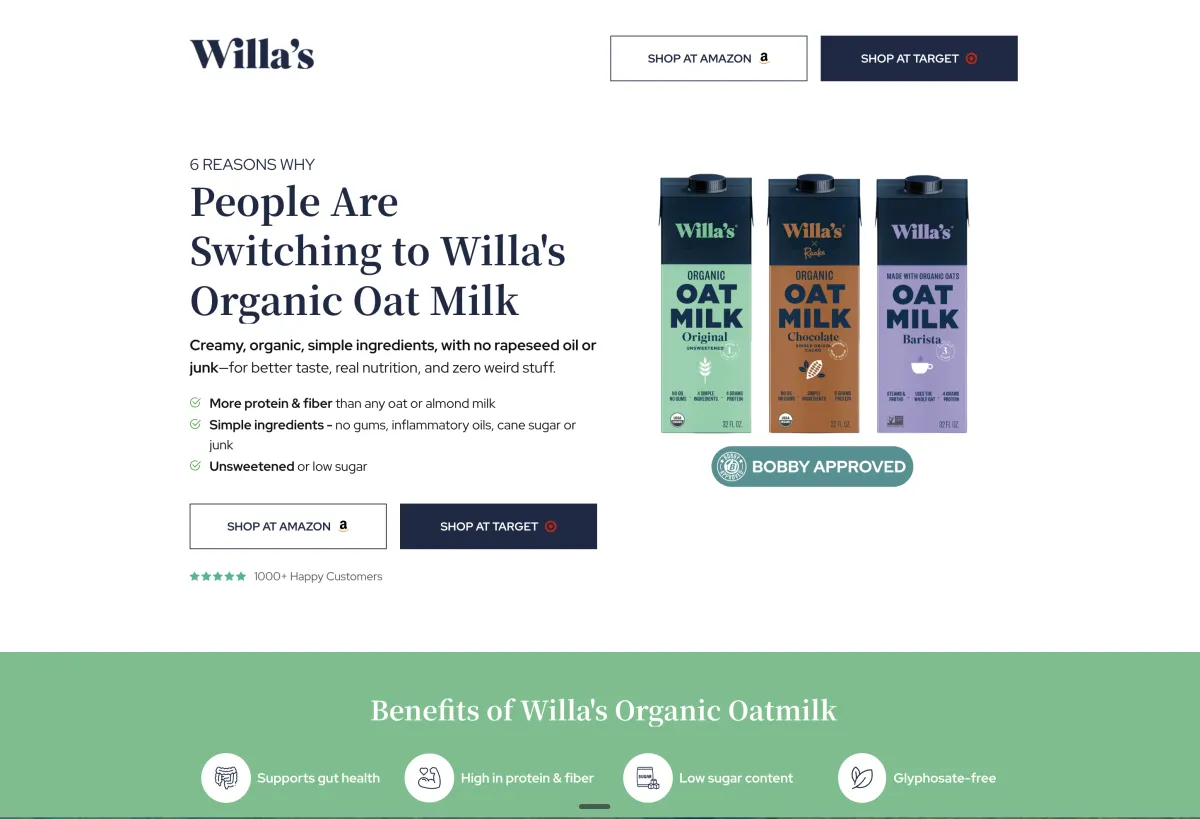
Worst Target stores became their best
Willa's Oatmilk had Target stores at risk of losing shelf space. Geo-targeted Meta ads and a pre-sell page that taught shoppers why the oat milk is different turned the weakest doors around. Five stores ran at more than twice their goal.
Read the Willa's case study
300%+ growth in one year, then an exit
Hammerhead had to sell a premium cycling computer against entrenched giants. Worldwide Meta campaigns with creative built for serious cyclists grew the business over 300% in a year, and Hammerhead was acquired by SRAM.
Read the Hammerhead case study
What a performance creative agency costs
Pricing varies with volume, formats and whether media buying is included. As a market reference, Darkroom's published 2026 ranges run from $2,000 to $5,000 a month for a freelancer, $5,000 to $10,000 for a boutique agency and $10,000 to $25,000 for a full-stack agency (Darkroom, 2026). Creator fees and shoots are often billed on top.
The retainer is the wrong number to compare. Two proposals at the same price can differ by several times in what gets tested each month and in who answers for the result. Put every proposal into the same terms:
- How many new concepts (not resized variations) are tested each month.
- Which formats are included, and who pays creators and shoots.
- Who decides what to test next, and how quickly a losing ad is replaced.
- Whether media buying is included, and whose number the agency is judged on.
- Who owns the raw footage, project files and creator usage rights.
For how agencies structure fees (retainer, percentage of spend, performance) see our ecommerce marketing agency pricing guide, and take our questions to ask a marketing agency into every pitch.
How to judge whether it is working
The numbers that decide it
- Contribution margin after ad spend, not platform ROAS.
- Acquisition cost for new customers, separated from repeat buyers.
- How many concepts per month become winners that earn scaling budget.
- How long a winner keeps working before it needs replacing.
The signals that explain it
- Hook rate: the share of viewers who watch past the first seconds.
- Hold rate and click-through rate by concept, not just by ad.
- Cost per thousand impressions, which rises as an ad tires.
- Which motivators win, written down so the next round starts smarter.
How the tests are set up matters as much as the ads. Our Meta ads creative testing framework shows how we test concepts in their own ad sets, scale winners in place and graduate them to a scaling campaign.
Is First Spark the right fit?
First Spark is a performance creative and media team for D2C, CPG and SaaS brands. We write the concepts, make the ads, run the budget and answer for contribution margin, not vanity ROAS. You can see how we work on our profit-first performance creative page, and how it applies to retail brands on our CPG marketing agency page.
We are not the right fit if you want the cheapest cost per asset, if you need brand campaigns for TV, or if your team already owns strategy and testing and only needs files made. In those cases a production studio or a brand agency will serve you better, and we will tell you so.
Questions buyers ask
What does a performance creative agency do?
A performance creative agency researches what makes your buyers act, turns that into ad concepts, produces the ads (statics, UGC, founder videos, motion) and tests them against sales or leads. The output is not a set of files. It is a steady flow of tested ads plus a record of which messages, motivators and visuals actually lower acquisition cost.
How is a performance creative agency different from a regular creative agency?
A brand or creative agency is judged on whether the work is on brand and memorable. A performance creative agency is judged on what the ads do in the account: new customers, acquisition cost, and how long a winner keeps working. That changes the volume, the cadence and the briefs. Performance creative ships many concepts, kills most of them quickly and builds the next round from what the data showed.
How much does a performance creative agency cost?
It depends on volume, formats and whether media buying is included. One agency's published 2026 ranges run from $2,000 to $5,000 a month for a freelancer to $10,000 to $25,000 a month for a full-stack agency, plus creator and production costs. Compare proposals on what each one ships and tests per month and who owns the results, not on the retainer alone.
How many new ads does a brand need each month?
There is no universal number. It depends on your spend, how quickly winning ads fatigue, and how many concepts your budget can read with confidence. A brand spending more on Meta needs more new concepts because winners wear out faster at higher frequency. First Spark's free Creative Velocity Calculator estimates the volume your revenue goal requires.
Should the same agency make the ads and run the media buying?
Usually yes, once creative is the main constraint on growth. When one team writes the brief, runs the test and reads the result, every round of ads is built from the last round's data. When creative and media sit with different vendors, results get argued about instead of learned from, and the feedback loop slows to weeks.
When is a performance creative agency not worth it?
When creative is not what is holding growth back. If the offer does not hold margin, tracking is broken, or spend is too low to read tests, more ads will not fix the problem. It is also the wrong buy if you only need files made from briefs your team already writes; a production studio or creator platform will be cheaper.
Find out how many ads your growth goal needs
Book your Velocity Blueprint: a 45-minute working session for D2C, CPG and SaaS brands. No obligation. You leave with:
- Your allowable CPA: the most you can pay for a customer and still make money.
- An offer that holds margin, built so the first order pays for itself.
- A creative velocity forecast: how many new ads your revenue goal needs each month.